

Diagnosis and Monitoring
When PNH is Suspected
PNH is often suspected when blood tests show unexplained anaemia, signs of ongoing red blood cell breakdown (haemolysis), or symptoms such as persistent fatigue, dark urine, abdominal pain, or blood clots in unusual locations.
Because PNH is rare and symptoms can overlap with other conditions, diagnosis is usually made or confirmed by a specialist haematology team.
Key Diagnostic Test: Flow Cytometry
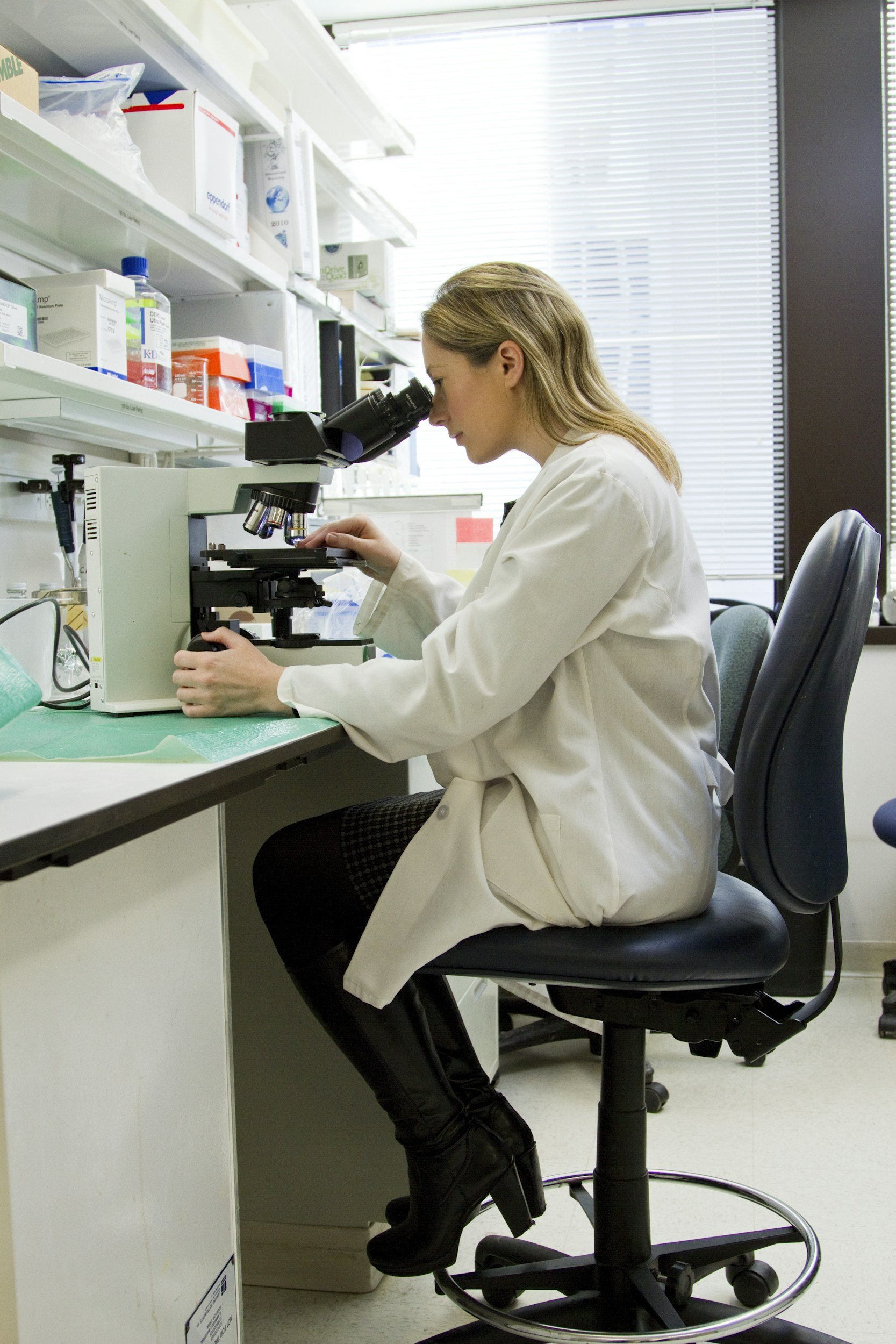
The gold-standard test for diagnosing PNH is a specialised blood test called flow cytometry.
Flow cytometry:
Looks at individual blood cells in detail
Identifies whether blood cells are missing specific protective surface proteins
Measures the PNH clone level in red cells, white cells, and platelets
This test confirms:
Whether PNH cells are present
How large the PNH clone is
Which types of blood cells are affected
Flow cytometry is highly sensitive and can detect very small PNH clones.
Additional blood tests
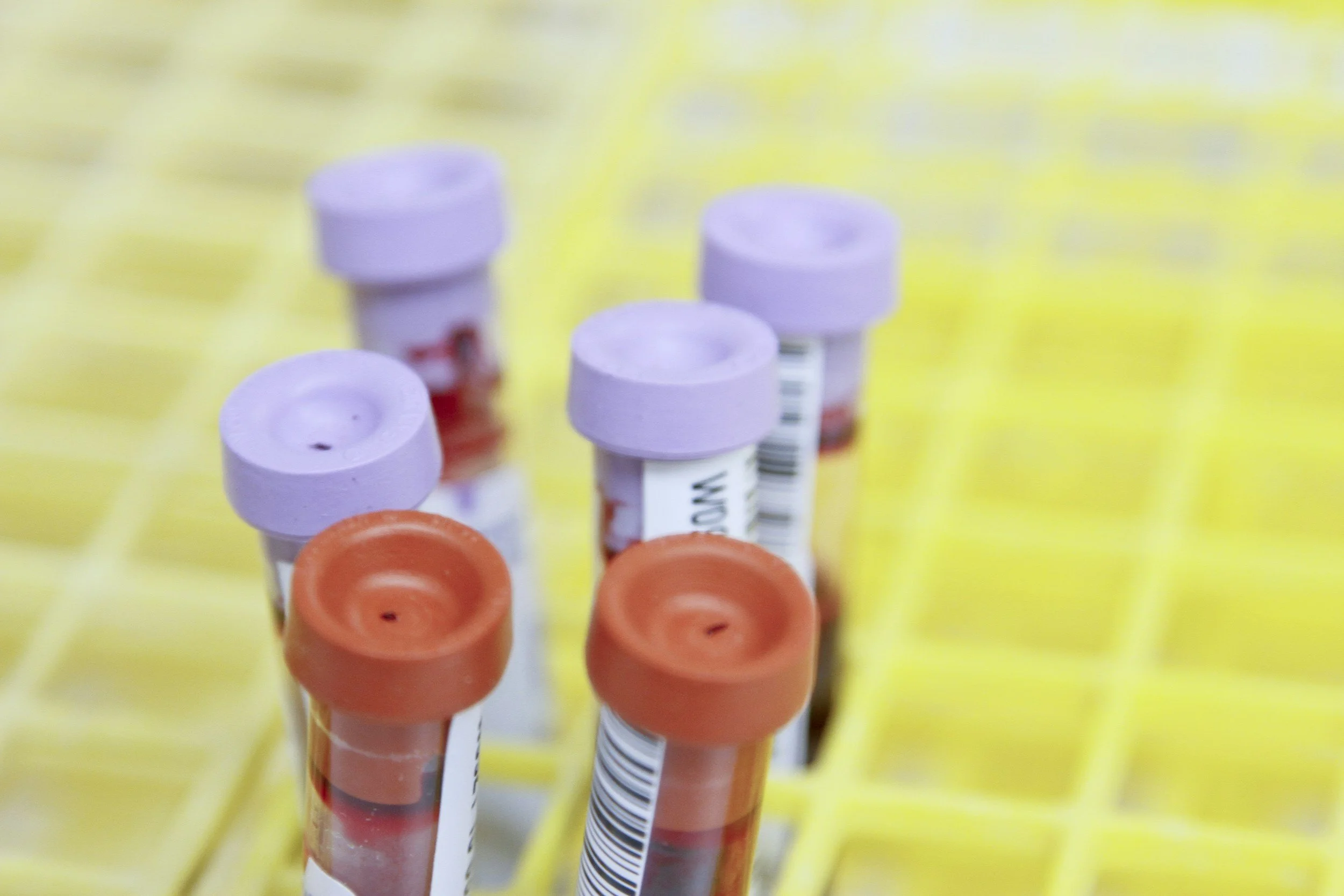
Alongside flow cytometry, doctors usually perform routine blood tests to assess how PNH is affecting the body. These may include tests that show:
Anaemia (low haemoglobin)
Evidence of haemolysis
Changes in kidney or liver function
Iron levels
These tests help doctors understand disease activity and guide monitoring and treatment decisions.
PNH and Additional Bone Marrow Conditions
PNH can occur on its own (“classic PNH”) or in association with other bone marrow disorders, especially those that affect stem cells. If there is concern about how well the bone marrow is working, doctors may recommend further investigations to assess bone marrow health and overall blood production.
Bone marrow conditions that can accompany PNH are listed below.
Aplastic Anaemia (AA)
- The most common associated condition.
- Bone marrow fails to make enough blood cells, and PNH clones can emerge because the abnormal stem cells survive better than normal ones.
The Aplastic Anaemia Trust is a UK charity providing information, emotional support, practical advice and signposting for people with aplastic anaemia and related bone marrow failure conditions.
Visit online: www.theaat.org.uk
Myelodysplastic Syndromes (MDS)
- A group of disorders where the bone marrow produces blood cells abnormally.
- Small PNH clones may appear in some MDS patients.
- MDS sometimes progresses to acute leukaemia.
The MDS UK Patient Support Group is a national charity dedicated to helping people with MDS and related conditions.
Visit online: www.mdspatientsupport.org.uk
Referral to Specialist Care
Once PNH is diagnosed, patients are usually referred to a specialist PNH centre or national PNH service. These centres:
Confirm the diagnosis
Assess disease severity and risks
Work with local haematology teams to coordinate ongoing care
Regular follow-up and repeat testing are important, as clone size and PNH activity can change over time.
Ongoing Monitoring
In Scotland patients are monitored by the PNH National Service as well as the Scottish PNH team based at University Hospital Monklands and led by Dr. Lindsay Mitchell.
Patients with PNH typically have:
Periodic blood tests
Repeat flow cytometry when needed
Ongoing assessment of symptoms and complications
This monitoring helps ensure timely treatment and early identification of complications.
Related Topics
PNH Treatment
There are a range of PNH treatment options available in Scotland from supportive care to advanced complement inhibitors.
Find Out MorePNH Care in Scotland
PNH care in Scotland is based on a shared-care model. Find out more abut PNH care in Scotland on this page.
Find Out MoreLiving With PNH
Living with PNH can feel challenging, and every person’s experience of the condition will be different.
Find Out More