

Treatment
Treatment options range from supportive care to advanced complement inhibitors, with stem cell transplants reserved for rare, carefully selected cases.
Decisions about treatment should always be made in consultation with specialist haematologists.
Complement Inhibitor Treatments
Complement inhibitors target the part of the immune system that attacks PNH red blood cells. These treatments reduce haemolysis, improve anaemia, and lower the risk of complications. All complement inhibitor treatments are prescribed and monitored with input from the National PNH Service.

Complement inhibitors significantly reduce the body’s ability to fight Neisseria meningitidis (meningococcus), the bacteria that cause meningococcal meningitis and sepsis. Meningococcal infections can be dangerous as they can develop very quickly and early symptoms, such as fever, headache and feeling unwell, can be difficult to spot. Patients are usually vaccinated against meningococcus and may receive antibiotics as a precaution, but the risk is still higher than in the general population.
Learn more about Complement Inhibitor Treatments available in Scotland
Learn MoreLearn more about Complement Inhibitor Treatments available in Scotland
Supportive Treatments
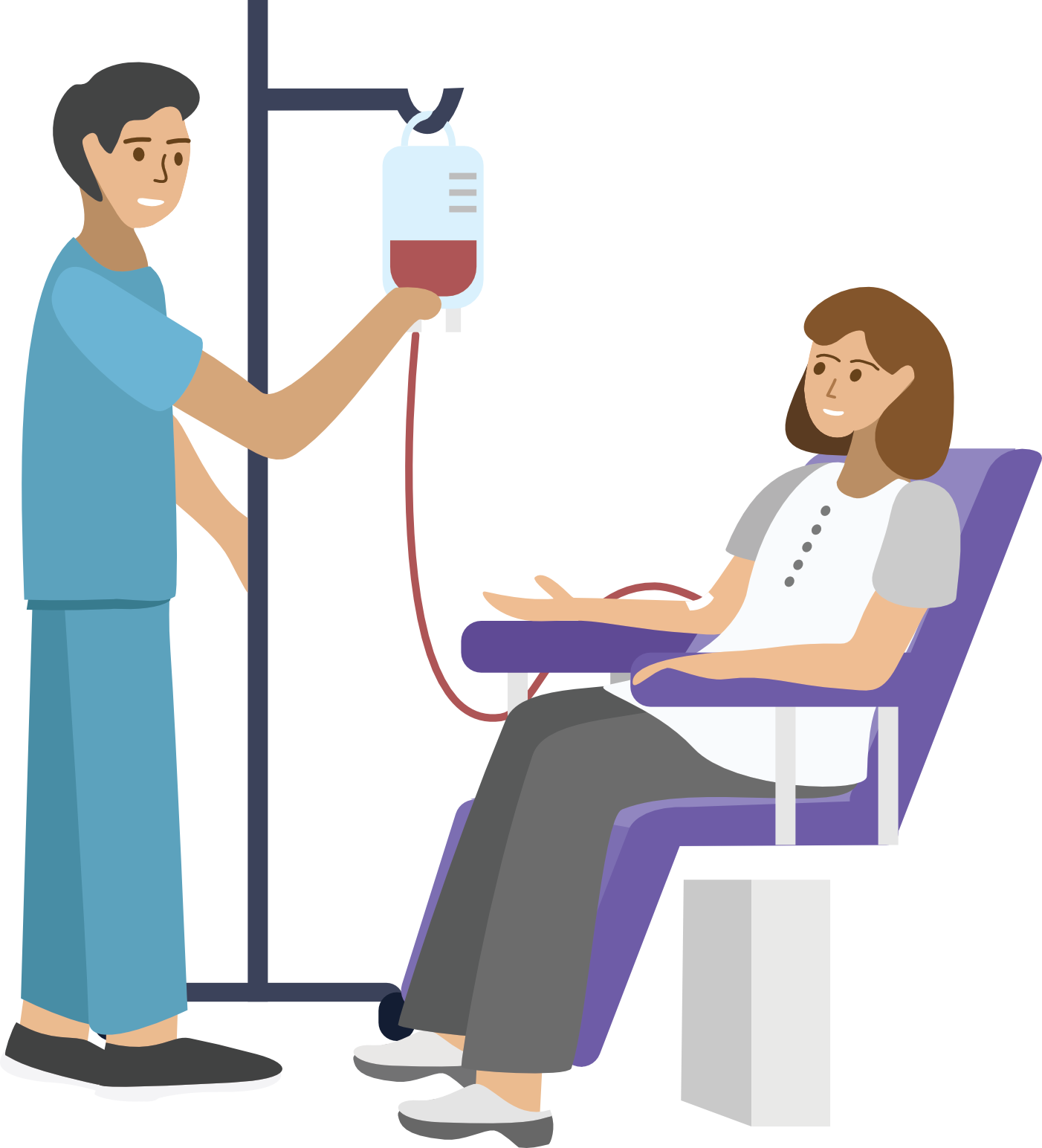
Some people with PNH, particularly those with milder disease or smaller clones, may not require complement inhibitors. Supportive care focuses on managing symptoms and preventing complications and may include:
Blood transfusions
Iron or folic acid supplementation
Anticoagulation (blood thinners) where there is a risk of blood clots
Monitoring and treatment of complications affecting organs such as the kidneys
Supportive treatments are usually delivered by local NHS haematology teams.
Clinical Trials
Some patients in Scotland may be offered participation in clinical trials through the National PNH Service or outreach clinics.
Clinical trials can provide access to:
New complement inhibitors
New oral treatments
Different ways of giving existing therapies
Participation is voluntary and depends on eligibility and availability.
Stem Cell (Bone Marrow) Transplant
A stem cell transplant is currently the only potentially curative treatment for PNH. However, it carries significant risks and is not suitable for most patients.
Transplant is generally considered only:
In selected cases with severe disease
When PNH is associated with serious bone marrow failure
After careful assessment by specialist teams
Related Topics
Complement Inhibitor Treatments
Find out more about complement inhibitor treatments currently available in Scotland for PNH patients.
Find Out MorePNH Care in Scotland
PNH care in Scotland is based on a shared-care model. Find out more abut PNH care in Scotland on this page.
Find Out MoreLiving With PNH
Living with PNH can feel challenging, and every person’s experience of the condition will be different.
Find Out More